
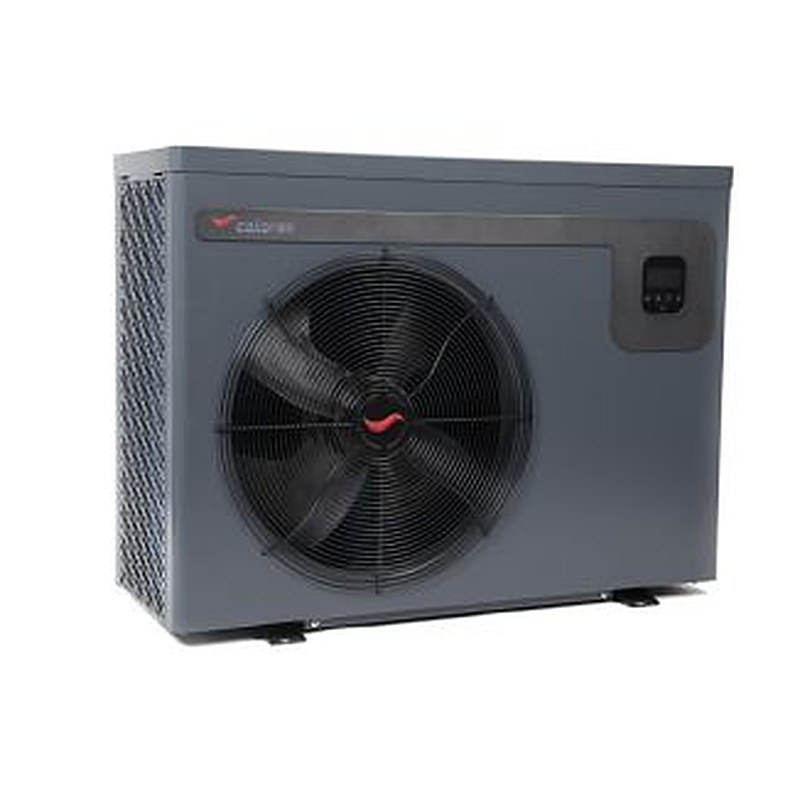
IPT22ALX | I-PAC 22 side outlet inverter heat pump 1ph extended summer season
£5,199.00 Inc VAT
Request a lead time
This part is on backorder. Send us your details and we will reply with the expected lead time.
Transform your hot tub or spa into a year-round sanctuary of warmth and relaxation.Designed specifically for the UK climate by Dantherm, this premium inverter heat pump combines cutting-edge performance with eco-friendly credentials.
📐 Technical specification
Every figure below is taken from the manufacturer’s published data for this model. A range is the inverter’s modulation range, from full output down to its lowest speed.
| Specification | This model |
|---|---|
| Output and sizing | |
| Heating capacity at air 15 °C / water 26 °C | 17.0 kW |
| Heating capacity at air 27 °C / water 27 °C | 25.0 kW |
| COP at air 15 °C / water 26 °C | 7.2 to 4.0 |
| COP at air 27 °C / water 27 °C | 13.8 to 5.8 |
| COP at 50% capacity | 9.6 |
| Electrical supply | |
| Power supply | 230V 1ph 50Hz |
| Maximum current | 20 A |
| Recommended breaker | 25 A |
| Plumbing and siting | |
| Water connection | 50 mm |
| Recommended water flow rate | 10.0 to 12.0 m³/h |
| Net dimensions (l × w × h) | 1084 × 429 × 948 mm |
| Net weight | 90 kg |
| Air discharge | side |
| Operating envelope and build | |
| Operating air temperature | −5 to 43 °C |
| Refrigerant | R32 |
| Compressor control | Inverter |
| Heat exchanger | Titanium |
| Sound pressure at 10 m | 24.9 to 36.7 dB(A) |
Energy Efficiency That Saves You MoneyWith an exceptional average COP (Coefficient of Performance) of 9.For every 1kW of electricity consumed, you receive up to 13.8kW of heating output—slashing your running costs while maintaining perfect water temperatures.
Ultra-Quiet OperationExperience peace in your outdoor space.With innovativeWhisper Mode, background noise drops to just 24.9 dB(A) at 10 metres—quieter than rustling leaves. Your relaxation won’t be interrupted by intrusive mechanical noise.
Smart Climate Control from AnywhereBuilt-in WiFi connectivity puts complete control in your pocket. Adjust temperatures, switch between heating and cooling modes, monitor performance, and ensure your hot tub is perfectly warmed before you arrive home—all from your smartphone or tablet.
Eco-Friendly & Future-ProofThis forward-thinking choice protects both your investment and the planet.
🔥 Powerful Performance Specifications
Extended Operating Range
Air Temperature Range: -5°C to 43°C
Water Temperature Settings:
- Heating Mode: 18°C to 40°C
- Cooling Mode: 12°C to 30°C
- Auto Mode: 12°C to 40°C
This exceptional range means you can enjoy your hot tub from early spring through late autumn—extending your season significantly beyond traditional heaters.
📄 Downloads & Technical Documentation
Access comprehensive technical resources to ensure optimal installation and operation:
📄 (opens in new tab)
Complete 43-page guide covering installation procedures, electrical requirements, WiFi setup, operating instructions, maintenance schedules, winterization procedures, troubleshooting codes, and warranty terms. Essential reading for installers and owners.
📄 Inverter Heat Pump Technical Brochure (opens in new tab)
Detailed technical specifications, performance data at multiple operating conditions, pool sizing charts for domestic installations, inverter technology explanation, and comparison data between models. Includes visual sizing guides for UK seasonal use.
⚡ Advanced Inverter Technology Explained
What Makes Inverter Technology Superior?
Key Benefits:
✅ Precision Temperature Control– The inverter modulates compressor speed from 20% to 100% capacity, maintaining your desired temperature within ±1°C
✅Dramatically Lower Running Costs– Eliminates energy-wasting on/off cycling for up to 50% energy savings
✅Smooth Power Consumption– No massive electrical inrush currents that stress your electrical system or trip breakers
✅Extended Component Lifespan– Gentle ramp-up reduces mechanical wear on the compressor
✅Faster Heat-Up Times– Boost mode delivers full 25kW output when you need rapid temperature recovery
Boost Mode 🚀
Best for:Initial heat-up, rapid temperature recovery, colder weather
Heating Capacity:20% to 100% of rated output
Features:Fastest heating times, intelligent optimization, maximum performance
Use Boost mode when you want your hot tub ready quickly or when dealing with significantly lower starting temperatures.
Whisper Mode 🌙
Best for:Daily maintenance, overnight operation, noise-sensitive environments
Heating Capacity:20% to 80% of rated output
Sound Level:3 dB(A) quieter than Boost mode
Features:Near-silent operation, excellent efficiency, ideal for residential areas
Perfect for maintaining temperature during normal use, especially when neighbours are nearby or during evening relaxation.
💧 Hot Tub & Spa Pool Sizing Guide
How to Choose the Right Heat Pump Capacity
✅ Large Hot Tubs:3,000 – 5,000 litres
✅Swim Spas:Small to medium-sized
✅Plunge Pools:Up to 25m² surface area
✅Commercial Spas:Multiple-person capacity
✅Cold Climate Installations:Where additional power compensates for heat loss
Factors Affecting Heat Pump Selection:
🌡️ Climate Zone– Colder regions require higher capacity
🏊Pool/Spa Volume– Larger water volumes need more heating power
🛡️Insulation Quality– Well-insulated vessels retain heat better
🌬️Exposure– Sheltered locations reduce heat loss
⏰Usage Pattern– Continuous vs occasional use affects requirements
📏Cover Usage– Insulated covers dramatically reduce heating demands
Important Note:For optimal efficiency, always use an insulated thermal cover when your hot tub is not in use. This single measure can reduce heating costs by 50-70%.
⏱️ Estimated Heat-Up Times
Understanding how long it takes to heat your water helps you plan usage and manage expectations.
Heat-Up Time Calculation Formula
Time (hours) = (Water Volume in m³ × Temperature Rise in °C × 1.16) ÷ Heat Pump kW Rating
Swim Spa (8,000 litres / 8.0 m³)
⚠️ Important Disclaimers:
These heat-up times areestimates only and assume:
- Ideal ambient conditions (15-27°C air temperature)
- Heat pump operating in Boost mode at maximum capacity
- No heat loss during heating (cover in place)
- Clean filter and optimal water flow
- Heat pump operating at peak efficiency
Actual heating times may vary based on:
- Ambient air temperature
- Wind exposure
- Starting water temperature
- Cover usage during heating
- Heat pump age and condition
- Water flow rate
- System cleanliness
For precise calculations specific to your installation, consult with your installer or contact technical support.
💰 Running Cost Comparison
Annual Running Cost Estimates (Typical UK Hot Tub)
Assumptions: 2,500-litre hot tub, maintained at 35°C, May-September season (20 weeks), electricity at £0.30/kWh, gas at £0.10/kWh
- vs Traditional Heat Pump:
- vs Electric Heater:
- vs Gas Heater:
- £715
- vs Electric Heater: £6,720
- vs Gas Heater: £1,485
💡 Lower Maintenance Costs– Fewer on/off cycles mean less wear on components
💡Reduced Electrical Infrastructure– No inrush current spikes requiring upgraded electrical panels
💡Extended Equipment Life– Gentle operation prolongs compressor and component lifespan
💡Future-Proof Investment– F-Gas compliant R32 refrigerant ensures long-term serviceability
🌍 Environmental Benefits
Eco-Friendly Heating You Can Feel Good About
🌱 Low Carbon FootprintFor every kW of electricity consumed, up to 13.8 kW of heating is delivered—dramatically reducing your carbon emissions.
🌱 Environmentally Responsible Refrigerant
- GWP of 675(vs 2,088 for older R410A)
- Zero Ozone Depletion Potential (ODP)
- F-Gas compliantthrough 2025 phase-down requirements
- Easier to recycle and reuse at end of life
🌱 Reduced Energy Demand
By operating at an average COP of 9.
🌱 Silent Operation Protects Wildlife
Ultra-quiet Whisper mode (24.9 dB at 10m) ensures your heating doesn’t disturb local wildlife or create noise pollution.
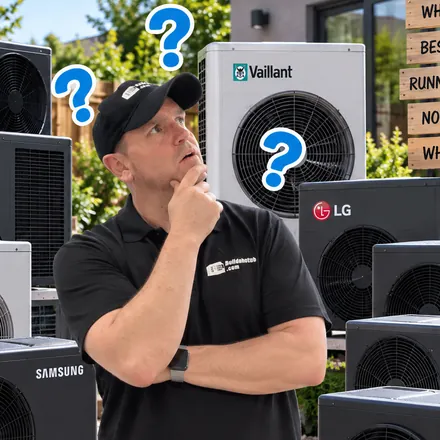 |
How do you decide, when no two manufacturers quote the same way? One brand’s 12 kW is another’s 8 kW — measured at different air temperatures, and hardly anyone tells you which. Our guide tool puts every unit at one condition and asks three questions about your own setup. What is left is what fits. |
🏗️ Installation Requirements
What You Need to Know Before Installing
Electrical Requirements
✅ Power Supply:230V single-phase, 50Hz
✅Circuit Protection:25A Type C MCB or aM fuse
✅30mA Type F RCD (dedicated to heat pump only)
✅Isolation:All-pole isolator within 2m and in line of sight
✅Voltage Tolerance:207-253V (must be maintained during compressor start)
✅Supply Cable:Appropriate rating for 20A maximum current
Important:All electrical work must comply with BS7671 (18th Edition Wiring Regulations) and be completed by a qualified electrician.
Plumbing Requirements
✅ Water Connections:1½” or 50mm female fittings
✅Flow Rate:10-12 m³/hour recommended
✅Bypass Valve:Mandatory for flow control
✅Isolation Valves:Required on inlet and outlet
✅Non-Return Valve:Prevents backflow
✅Anti-Return Loop:100mm above heat pump outlet (if sanitiser fitted)
✅Drainage:Condensate drain kit must connect to waste or soakaway
Physical Installation
✅ Mounting Surface:Solid concrete base or corrosion-proof mounting brackets
✅Fixing Method:M10 bolts (provided)
✅Minimum Clearances:
- Sides: 700mm
- Front (airflow): 2500mm
- Top: 500mm
- Pool edge:3500mm (electrical safety regulation)
✅ Ventilation:Must be in well-ventilated area—enclosed spaces prohibited
✅Minimum Room Area:34.0 m² (if installed in enclosed structure)
✅Airflow:Inlet and outlet must not be obstructed; air must not recirculate
Water Chemistry Requirements
Maintaining proper water chemistry is essential for warranty coverage and heat pump longevity:
⚠️ Failure to maintain water chemistry within these parameters will void warranty coverage.
Optional Features Installation
Remote Control Panel Kit
- Allows indoor wall-mounting of controller
- 10m extension cable included
- Perfect when heat pump is mounted where built-in controls are inaccessible
Winter Protection Cover
- Custom-fit ventilated cover
- Protects unit during off-season storage
- Does not replace proper winterization procedure
1. 🔄 Stepless DC Inverter Compressor
This means the heat pump always operates at exactly the right power level for current conditions—no wasted energy, no temperature overshooting, no unnecessary cycling.
Your Benefit:Lower bills, precise temperatures, longer equipment life
2. ⚡ Electronic Expansion Valve (EEV) Technology
This optimizes the refrigeration cycle in real-time based on ambient conditions, maintaining peak efficiency across the entire operating range.
Your Benefit:Consistent performance regardless of outdoor temperature
3. 🌀 Rapid Reverse-Cycle Defrosting
When operating in cold conditions, frost can build up on the evaporator coil, reducing efficiency.
Your Benefit:Minimal heating interruption, extended cold-weather operation
4. 💎 High-Efficiency Twisted Titanium Heat Exchanger
The pool water flows through a premium titanium heat exchanger with a unique twisted tube design that maximizes heat transfer surface area. Titanium offers exceptional corrosion resistance, even in chemically treated water or saltwater pools.
Your Benefit:
5. 🛡️ Comprehensive Safety Protection System
Multiple layers of protection safeguard both the heat pump and your electrical system:
- High pressure and low pressure protection
- Compressor overheat protection
- Flow detection (E3/E6 codes prevent dry running)
- Phase rotation protection (three-phase models)
- Voltage range monitoring
Your Benefit:
6. 🚀 Soft Start Technology
When the compressor starts, it gradually ramps up to operating speed rather than demanding full current instantly. This “soft start” eliminates the massive 200-300% inrush current spike typical of traditional heat pumps.
Your Benefit:No tripped breakers, compatible with smaller electrical supplies, reduced stress on electrical infrastructure
7. 📱 Integrated WiFi Control with Smart Scheduling
The built-in WiFi module connects your heat pump to your home network, enabling full remote control through the dedicated smartphone app. Set schedules, monitor real-time performance data, receive maintenance alerts, and adjust settings from anywhere.
Your Benefit:Convenience, energy management, proactive maintenance, hot tub ready when you are
A:At 10 metres distance, it produces just 24.9-36.7 dB(A) depending on operating intensity. In Whisper mode specifically, noise levels drop an additional 3 dB(A). To put this in perspective:
- 20 dB(A) = Rustling leaves
- 30 dB(A) = Whisper
- 40 dB(A) = Quiet library
Most users report that background garden sounds (birds, wind, distant traffic) mask the heat pump entirely in Whisper mode. Neighbors are unlikely to hear it operating.
A:
Boost Mode:
- Operates from 20-100% capacity
- Use for initial heat-up after filling your hot tub
- Use when recovering from significantly lower temperatures
- Use in colder weather when maximum output is needed
- Provides fastest possible heating
Whisper Mode:
- Operates from 20-80% capacity
- Use for daily temperature maintenance
- Use overnight when noise is a concern
- Use in residential areas close to neighbours
- Provides 3 dB(A) quieter operation while maintaining excellent efficiency
Pro Tip:Start with Boost mode to heat your hot tub initially, then switch to Whisper mode for ongoing temperature maintenance. The heat pump will automatically adjust within the mode’s capacity range.
A:Running costs depend on several factors (climate, hot tub size, desired temperature, usage pattern, local electricity rates), but here are representative examples:
For a typical 2,500-litre hot tub maintained at 35°C during UK summer (May-September), with electricity at £0.30/kWh:
- 6):Approximately £156 annually
- Approximately £299 annually
- 3kW electric heater:Approximately £1,500 annually
Over the heat pump’s expected 10-15 year lifespan, these savings amount to thousands of pounds.
Energy Saving Tip:Use an insulated hot tub cover whenever the tub isn’t in use. This single measure can reduce heating costs by 50-70%.
A:
✅ Large Hot Tubs:3,000-5,000 litres
✅Small Swim Spas:Up to 8,000 litres
✅Plunge Pools:Up to 25m² surface area
✅Commercial Spas:Multi-person capacity
- Climate:Colder regions need more heating capacity
- Insulation:Well-insulated vessels require less power
- Exposure:Sheltered locations lose less heat
- Desired temperature:Higher temperatures increase heating demand
- Usage pattern:Continuous vs occasional use affects requirements
Sizing Rule of Thumb:For UK climate and hot tub use (maintaining 35-38°C), allow approximately 1kW of heating capacity per 200-250 litres of water volume.
For precise sizing recommendations, consult the pool sizing charts in the technical brochure or contact your installer.
A:-5°C ambient air temperature. This extended range makes it suitable for spring and autumn use in the UK, where morning temperatures may dip below freezing.
- At 27°C air:25.0 kW output (peak efficiency)
- At 15°C air:17.0 kW output (still excellent performance)
- Below 15°C:Output gradually reduces but remains functional to -5°C
Important Notes:
- Performance naturally reduces as air temperature drops (less heat energy available in cold air)
- The heat pump includes automatic defrost cycles to maintain efficiency in cold weather
- The unit should never be operated below -5°C (X-range) as this risks damage
- Proper winterization is essential if temperatures will drop below operating limits
A: Professional installation by qualified technicians is strongly recommended and may be required for warranty coverage.While mechanically capable homeowners can potentially handle some aspects, several factors make professional installation advisable:
Electrical Work:
- Legally Required:All electrical work must comply with BS7671 (18th Edition Wiring Regulations)
- Building Control:New circuits require Part P notification or certified electrician
- Competency:Work must be done by a qualified person under UK law
- Safety:Incorrect electrical installation poses serious safety risks
Refrigeration Work:
- F-Gas Regulations:Any work on refrigeration circuits requires F-Gas registration
- Illegal Activity:Unauthorized venting of refrigerant is a criminal offense
- Specialist Knowledge:Refrigeration work requires specialized training and equipment
Warranty Protection:
- Many manufacturers require professional installation for warranty validity
- Improper installation voids warranty coverage
- Documented professional installation provides proof of compliance
- Site preparation (concrete pad, clearances)
- Basic plumbing preparation (if competent)
- Lifting and positioning the unit
- All electrical connections and testing
- Final plumbing connections and commissioning
- System testing and adjustment
- Any refrigeration work (if required)
Cost Perspective:This is a wise investment given the heat pump’s £3,000-4,000 value.
A:
✅ Visual inspection for debris or obstruction around air inlets/outlets
✅ Check condensate drain is flowing freely
✅ Verify water chemistry is within specified ranges
✅ Clean pre-filter on pool pump (improves flow)
✅ Listen for unusual noises during operation
✅ Clean evaporator coil fins with soft brush (power OFF)
✅ Check all electrical connections for tightness
✅ Inspect for signs of refrigerant leakage (oily residue)
✅ Test operation in both Boost and Whisper modes
✅ Verify WiFi connectivity and controller operation
✅ Refrigerant level check and adjustment if needed
✅ Compressor oil inspection (if applicable)
✅ Electrical system testing (voltage, current, earthing)
✅ Titanium heat exchanger inspection for scale/corrosion
✅ Fan motor bearing lubrication (if required)
✅ Complete system performance test
✅ Firmware updates (if available)
Winterization Procedure:If the heat pump will be exposed to temperatures below -5°C for extended periods, proper winterization ismandatory:
- Isolate electrical supply and remove fuses
- Drain all water from heat exchanger completely
- Flush with clean tap water (not pool water)
- Spray electrical components with moisture-repellent (WD-40)
- Cover with ventilated winter cover (not plastic sheeting)
Failure to winterize properly can result in frost damage and voided warranty.
Budget approximately £100-150 annually for professional servicing, plus minimal owner maintenance time. This investment protects your £3,000+ heat pump and maintains efficiency.
A:10-15 years of reliable service. Many factors influence lifespan:
✅ Proper water chemistry maintenance
✅ Regular professional servicing
✅ Correct winterization when not in use
✅ Operation within specified parameters
✅ Quality electrical supply (stable voltage)
✅ Adequate ventilation and airflow
✅ Use of insulated cover (reduces runtime)
❌ Poor water chemistry (accelerates corrosion)
❌ Operating outside temperature limits
❌ Neglected maintenance
❌ Inadequate water flow
❌ Improper winterization
❌ Electrical supply issues
❌ Obstruction of airflow
Warranty Coverage:5-year manufacturer’s warranty covering:
- Parts:All components covered against manufacturing defects
- Labour:Professional repair or replacement labour included
- On-site service:Technician visits your location (no depot returns)
Warranty Conditions:
- Have the heat pump professionally installed
- Maintain water chemistry within specified parameters
- Perform proper winterization if required
- Not modify or tamper with internal components
- Register the product within 30 days of installation
- Retain proof of installation date
Component Reliability:
- Compressor:Typically 10-12 years (heart of the system)
- Titanium heat exchanger:15+ years (highly corrosion resistant)
- Fan motor: 8-12 years
- Electronic controls: 10-15 years
- Refrigerant circuit:15+ years (sealed system)
Long-Term Value:
A: Yes!
✅ Chlorine(sodium hypochlorite, calcium hypochlorite, trichlor, dichlor)
✅Bromine
✅ Saltwater chlorination systems
✅ Baquacil (biguanide)
✅ Ozone systems
✅ UV sanitization
✅ Mineral systems
✅ Ionic purification systems
✅ Combination systems
Why Titanium Matters:The twisted titanium heat exchanger resists corrosion from all common sanitizers. Lesser heat pumps using copper, cupronickel, or stainless steel can corrode when exposed to certain chemicals or high salt levels.
Important Requirements:must maintain chemical levels within specified ranges:
- Free chlorine: 1-2 ppm (domestic) or 3-6 ppm (commercial)
- Salt: Maximum 35,000 ppm
- pH: 7.2-7.8
- Total alkalinity: 80-120 ppm
- Copper content: Maximum 1 ppm
Superchlorination:The heat pump can tolerate shock treatments (superchlorination) up to 30 ppm free chlorine for a maximum of 24 hours. Do not run the heat pump during shock treatment—wait until chlorine drops below 10 ppm.
If using a chemical dosing system or sanitizer, install an anti-return loop (100mm above heat pump outlet) to prevent backflow of treated water during shutdown. This is shown in the installation manual.
Maintaining proper water chemistry isn’t just about sanitization—it’s essential for protecting your heat pump investment and maintaining warranty coverage.
A: Yes!
Setup Process:
- Download the dedicated app (Android or iOS)
- Create a user account
- Press the WiFi button on heat pump controller for 3 seconds
- Connect to your home WiFi network through the app
- Add the heat pump to your “family” of devices
Setup Time:Approximately 5-10 minutes for initial configuration
App Features:
📱 Remote Control:
- Power on/off
- Adjust target temperature
- Switch between Heat/Cool/Auto modes
- Toggle Boost/Whisper modes
- View current pool/spa temperature
- Access timer functions
📱 Monitoring:
- Real-time operating status
- Current water temperature
- Ambient air temperature (if applicable)
- Error codes and diagnostics
- Operating mode confirmation
📱 Scheduling:
- Set daily or weekly heating schedules
- Different schedules for weekdays/weekends
- Vacation mode for extended absences
- Automatic temperature adjustments
📱 Multi-User Access:
- Share control with family members
- Administrator and user permission levels
- Manage multiple heat pumps (if you have more than one)
The heat pump connects to your home WiFi router, which must have internet access for remote control from outside your home. Local network control (when you’re home) works even without internet.
Range Limitations:WiFi connectivity requires the heat pump to be within range of your wireless router (typically 15-30 metres depending on construction). For installations beyond WiFi range, consider:
- WiFi range extender
- Running ethernet cable to access point near heat pump
- Optional remote control panel with physical cable connection
Security:
- Encrypted communications protect your data
- Password-protected account access
- No third-party data sharing
Alternative Control:If you don’t want to use WiFi, the heat pump functions perfectly using the built-in touchscreen controller or optional wired remote control panel. WiFi is a convenience feature, not a requirement.
Q11: What happens if there’s a power cut?
A:
🔄 Memory Retention:
- All temperature settings are preserved during power cuts
- Operating mode (Heat/Cool/Auto) is remembered
- Boost/Whisper mode selection is saved
- Timer schedules are retained
- WiFi configuration remains stored
🔄 Automatic Restart:When power is restored, the heat pump willautomatically resume operationin the same mode it was operating before the power cut. There’s no need to manually restart the system.
Safety Delay:After power restoration, the compressor will not immediately start. The heat pump includes protective time delays to prevent:
- Damage from rapid on/off cycling
- Excessive inrush current
- Compressor lubrication issues
What You’ll Notice:
- Power returns
- Fan runs for approximately 1 minute
- Compressor starts gradually after time delay expires
- Normal operation resumes
The automatic restart feature means the heat pumpmay start without warningwhen power is restored. This is normal operation. Keep this in mind if performing maintenance or working near the unit.
Extended Power Cuts:
- Water temperature will gradually drop to ambient
- When power returns, the heat pump will resume heating automatically
- Initial heat-up time will depend on how much temperature was lost
- Use Boost mode to accelerate recovery if needed
Electrical Storms:
- Switch off the heat pump at the main isolator
- This protects electronics from potential lightning-induced power surges
- Standard surge protection is built-in, but direct lightning strikes can overwhelm any protection
Power Supply Issues:The heat pump monitors incoming voltage and will display protection code E5 if voltage is outside the acceptable range (207-253V for single-phase). This protects the compressor from damage due to brownouts or voltage fluctuations.
A: Winterization is absolutely essentialif your heat pump will be exposed to temperatures below -5°C (X-range models) or if you won’t be using your hot tub for an extended period during cold weather. Failure to winterize properly can result in catastrophic frost damage costing thousands of pounds in repairs—none of which would be covered by warranty.
- Water trapped in the heat exchanger expands when frozen
- Ice formation can split the titanium tubes or rupture connections
- Frost damage is often not immediately visible but manifests as leaks later
- A single night of hard frost can destroy an unwinterized heat pump
- Warranty specifically excludes frost damage from improper winterization
When to Winterize:You must winterize ifanyof these conditions apply: ✅ You won’t use your hot tub for more than 2 weeks during winter
✅ Ambient temperatures may drop below -5°C
✅ You’re concerned about power cuts causing loss of heating
✅ Your hot tub/pool will be drained for maintenance or repairs
✅ You’re shutting down for the season
Winterization Procedure:
Step 1: Electrical Isolation
- Switch off main isolator
- Remove fuses and store safely away from heat pump
- This prevents accidental operation
Step 2: Water Drainage
- Turn off pool/spa circulation pump
- Disconnect inlet and outlet water pipes OR open drain valve
- Remove condensate drain cover inside unit
- Allow all water to drain completely (15-30 minutes)
Step 3: Flushing
- Connect garden hose to outlet connection
- Flush through with CLEAN TAP WATER (not pool water) for 10+ minutes
- Use spray nozzle if available for thorough flushing
- This removes any chemically-treated water that could corrode internal parts
Step 4: Electrical Protection
- Remove electrical enclosure cover (see installation manual)
- Liberally spray all interior components with moisture-repellent aerosol (WD-40 or similar)
- This prevents corrosion during storage
- Replace enclosure cover
Step 5: Water Connection Protection
- Fit plastic bags over water inlet and outlet connections
- Secure with elastic bands
- This prevents debris entering and reminds you the unit is winterized
Step 6: Weather Protection
- Cover unit with VENTILATED winter cover (optional accessory available)
- DO NOT use plastic sheeting—condensation inside plastic can cause corrosion
- Ensure cover allows air circulation
- Secure cover against wind
❌ Not draining completely (any water left can freeze)
❌ Using pool water for final flush (chemicals corrode internals)
❌ Covering with non-breathable plastic (traps moisture)
❌ Failing to spray electrics with moisture repellent
❌ Not removing and storing fuses separately
❌ Assuming the condensate in the base pan will drain naturally
- Remove weather cover
- Remove plastic bags from water connections
- Reconnect water inlet and outlet pipes
- Start circulation pump and run for 15+ minutes
- This purges air from system
- Check for leaks at connections
- Replace fuses in electrical system
- Switch on main isolator
- Power on heat pump
- Set desired temperature
- Check daily that water chemistry is correct
Time Required:
- Winterization: 30-45 minutes
- De-winterization: 20-30 minutes
Professional Service:If you’re uncomfortable performing winterization yourself, most pool service companies offer this as a seasonal service for £50-100. Given the thousands of pounds at risk, this is excellent insurance.
If you plan to continue using your hot tub in winter and ambient temperatures remain above -5°C:
- Maintain normal water circulation 24/7
- Use insulated cover when not in use
- Monitor weather forecasts for extreme cold events
- Have winterization materials ready in case of extended power cuts
Remember: One hard frost is all it takes to destroy an unwinterized heat pump. Don’t risk it!
🛠️ What’s Included in the Box
✅ – Fully assembled and factory tested
✅Water Union Connectors– 2 × 1½” and 2 × 50mm adapters
✅Rubber Mounting Feet– Set of 4 for vibration damping
✅Condensate Drainage Kit– Adapter and hose for moisture removal
✅Installation Manual– Comprehensive 43-page guide
✅Warranty Registration Card– Register within 30 days for full coverage
- M10 mounting bolts (for securing to concrete base/brackets)
- Pool water pipework and fittings
- Electrical supply cable and protection devices
- Bypass valve and isolation valves
- Anti-return loop components (if chemical dosing used)
- Remote control panel kit with 10m cable
- Winter protection cover
- Extended warranty plans
✅ Authorized Dantherm Dealer– Genuine products, full manufacturer warranty
✅Expert Technical Support– Our team understands heat pumps inside and out
✅Competitive Pricing– Best value without compromising quality
✅Fast Delivery– Quick dispatch on in-stock items
✅Installation Support– We can recommend qualified installers in your area
✅Comprehensive Documentation– All manuals and technical resources provided
✅After-Sales Care– Ongoing support throughout ownership
🚀 Transform Your Hot Tub Experience Today
💚 Eco-Friendly– R32 refrigerant with low environmental impact
💰Cost-Effective
🔇Ultra-Quiet– 9-11 dB(A) quieter than traditional heat pumps
📱Smart Control– WiFi connectivity for control from anywhere
🛡️ – 5-year comprehensive warranty included
🏆UK-Designed– Engineered specifically for British climate conditions
⚡Powerful– 22kW output for rapid heating when you need it
🌡️Versatile– Heat, cool, or auto modes for year-round comfort
Perfect For:
- Large hot tubs (3,000-5,000 litres)
- Small swim spas
- Plunge pools up to 25m²
- Commercial spa installations
- Cold climate locations requiring extra capacity
- Noise-sensitive residential areas
- Energy-conscious homeowners
- Anyone wanting the best technology available
Your hot tub should be a source of relaxation—not frustration from slow heating, high bills, or intrusive noise.
Make the smart choice.
Heat Pumps: The Smart Way to Heat Your Pool or Hot Tub 🌡️
If you're still running your hot tub or pool on a traditional electric heater, I want to have a word with you — because you're almost certainly spending far more than you need to.
I switched to a heat pump on my own DIY hot tub, and the difference was genuinely shocking. 66% cheaper to run and 8 times faster to heat up compared to my old 3kW electric heater. Those aren't marketing figures — that's what I actually experienced. And it's why I now stock and recommend heat pumps to every pool and hot tub owner I speak to.
So, What Actually Is a Heat Pump? 🤔
Think of it like a fridge — but running in reverse.
A fridge pulls heat out of its interior and dumps it outside. A heat pump does the opposite: it pulls heat from the surrounding air and transfers it into your water. It's not generating heat from scratch like an electric heater does — it's moving heat that already exists in the air around it.
This is why the efficiency numbers look almost unbelievable at first glance.
The COP Number — Why Heat Pumps Are So Efficient ⚡
You'll see heat pumps described by their COP (Coefficient of Performance). A COP of 6 means that for every 1kW of electricity you put in, you get 6kW of heat out. Compare that to a standard electric heater with a COP of 1 — it converts electricity to heat on a 1:1 basis and nothing more.
Here's a real-world example from our Comfortline Inverter range:
- At 26°C air temperature: COP of 11.8 — nearly 12kW of heat from 1kW of electricity
- At 15°C air temperature (more typical UK conditions): COP of 6.5 — still over 6x more efficient than electric
That's not a typo. In typical UK spring or summer conditions, you're getting 6 or 7 units of heat for every unit of electricity you pay for. It's the single biggest upgrade you can make to reduce your running costs.
"But Don't They Struggle in the Cold?" 🌨️
This comes up a lot, and I want to give you an honest answer rather than the usual marketing spin.
Yes — all heat pumps become less efficient as the air temperature drops. That's physics, not a design flaw. Any heat pump you read about that claims to be unaffected by temperature is not telling you the full story.
What matters is how they handle it. Our Comfortline Inverter models operate reliably down to 0°C with automatic defrost cycling. The Norsup P35X goes even further — rated to -15°C ambient. Do they run at peak efficiency at those temperatures? No. But do they still work and still beat an electric heater on cost? Absolutely.
For most UK pool and hot tub owners using their setup from roughly April through to October, this is essentially a non-issue. The times you're most likely to use your hot tub or pool are exactly the times a heat pump runs at its best.
Hot Tubs vs. Pools — Does It Matter? 🛁
The application does change things a bit.
For hot tubs, a heat pump is arguably an even better investment than it is for pools. Here's why: hot tubs run at a constant high temperature (typically 37–40°C), which means your heater is constantly working to maintain that heat. Swap out your electric heater for a heat pump and that constant cost is slashed. Many hot tub owners on our Balboa Clim8zone or Vian Power C5 report savings of 50–75% on their heating bills.
For pools, the calculus is a bit different. Pools have a much larger volume of water, so initial heat-up takes longer with a heat pump than with gas. You need to plan ahead — you can't decide on a Monday morning that you want a warm pool by Monday afternoon. Set a schedule, use a pool cover (more on that in a second), and let the heat pump do its thing efficiently over time.
Inverter vs. On/Off — This Is the One Worth Understanding 🔄
Not all heat pumps are created equal. The biggest distinction is between inverter (variable speed) and on/off (fixed speed) models.
An on/off heat pump is like a light switch — full power or nothing. When it's maintaining temperature, it's cycling on and off repeatedly, which wastes energy and puts extra wear on the compressor.
An inverter heat pump is like a dimmer switch. Once your water is up to temperature, it dials back to 20–30% capacity and quietly ticks along, keeping things stable with minimal energy use. It's smarter, quieter, and more efficient — especially for hot tubs that need to hold a constant temperature.
All of our Comfortline Inverter models work this way. It's why the running costs are so dramatically lower.
The Pool Cover Thing — Please Don't Skip This 🏊
I mention this on almost every heat pump product page because it genuinely makes that much of a difference.
A quality thermal pool cover can reduce your heating costs by up to 70%. That's not an exaggeration. Most of the heat your pool or hot tub loses doesn't go through the walls or the ground — it evaporates off the surface of the water. A cover stops that dead.
If you're buying a heat pump and not pairing it with a cover, you're leaving serious money on the table.
Getting the Size Right 📐
Buying a heat pump that's too small for your setup is a frustrating experience — it'll run flat out constantly and struggle to maintain temperature. Too big and you've overspent unnecessarily.
The main factors that determine what size you need:
- Water volume — the single biggest factor
- Desired water temperature — hot tubs at 40°C need more than pools at 28°C
- Ambient temperature in your location and season
- Whether you use a cover — a cover can allow you to use a smaller unit
- Pipe run length — the heat pump should ideally be within 10 metres of the pool or tub
As a rough guide:
- Small hot tubs (up to ~1,500L): 7-12KW
- Large hot tubs / swim spas (up to 5,000L): 12-20KW
- Pools up to ~35m³: 9–13kW
- Pools 35–65m³: 16–20kW
- Pools 65m³+: 20kW and above
If you're unsure, drop us a message. It's the kind of thing that's worth getting right before you buy.
The Environmental Bit — Worth Knowing 🌿
Modern heat pumps use R32 refrigerant, which has a Global Warming Potential (GWP) of just 675 — dramatically lower than the older R-410A (GWP of 2,088) or R-22 (GWP of 1,810) refrigerants you'll find in older units. Combined with their efficiency, a modern heat pump has a genuinely smaller carbon footprint than any gas or electric alternative.
Is a Heat Pump Right for You? ✅
If you tick most of these boxes, then yes — absolutely:
✅ You use your pool or hot tub regularly throughout the season ✅ You're currently running on electric resistance heating ✅ You're willing to plan your heat-up times rather than expecting instant results ✅ You have a suitable outdoor space with good airflow around the unit ✅ You want to significantly cut your running costs over the long term
The upfront cost is higher than a basic electric heater. But based on my own experience and the feedback I get from customers every week, a quality heat pump pays for itself — typically within 1.5 to 2 seasons — and keeps on saving money after that.
Related products
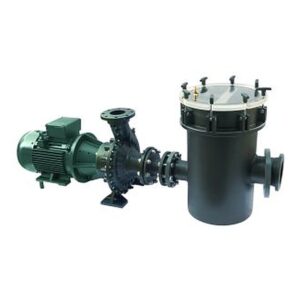
Swimming Pool Parts Shop
BPGG127 | 12.5hp (9.4kw) – 3Ø Commercial giant pump – 400/690v
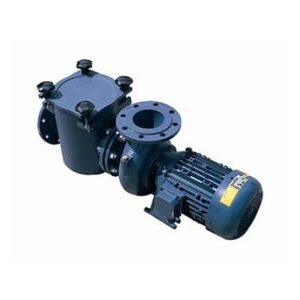
Swimming Pool Parts Shop
Swimming Pool Parts Shop
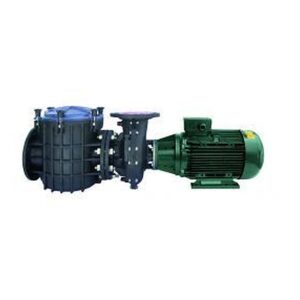
Swimming Pool Parts Shop
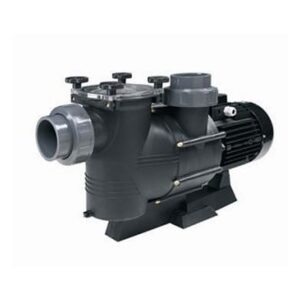
BPG1003 | 10hp (7.5kw) – 3Ø Commercial giant pump – 400/690V
Swimming Pool Parts Shop
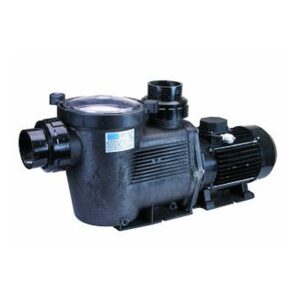
CP1000S | 10hp (7.4kW) – 3Ø, 16.0 amps, 110mm connections – 380/660V – with pre-filter
Swimming Pool Parts Shop
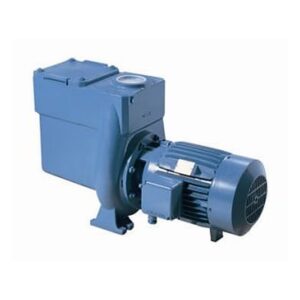
WHSR073 | 7.0hp (5.18kW), 8.2 amps, 3Ø commercial plastic pump
Swimming Pool Parts Shop
Swimming Pool Parts Shop
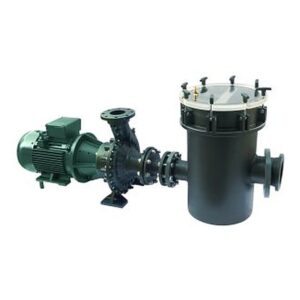
BPGG131 | 12.5hp (9.40kw) – 3Ø Commercial great giant pump – 400/690v